Navigating HOA Roofing Requirements in Richmond Master-Planned Communities
Living in a master-planned community offers incredible amenities, beautifully maintained streetscapes, and a strong sense of neighborhood pride. Whether you are settled under the mature trees of Pecan Grove or enjoying the modern amenities of Aliana, maintaining that pristine neighborhood aesthetic is a shared responsibility. However, when Gulf Coast weather takes its toll and it is finally time to upgrade your home's exterior, that shared responsibility can suddenly feel like a bureaucratic hurdle. Navigating HOA approval for roof replacement is one of the most common concerns we hear from homeowners in Richmond. The process of submitting architectural review forms, waiting for board meetings, and ensuring your chosen materials meet strict community guidelines can be overwhelming, especially if you are dealing with active leaks or storm damage. Fortunately, understanding the basic rules and partnering with a contractor who knows the local landscape can make the entire process seamless.
Understanding Your Neighborhood's Architectural Guidelines
Every homeowners association has a unique set of Covenants, Conditions, and Restrictions (CC&Rs) that dictate what you can and cannot do to your property's exterior. When it comes to roofing requirements for master planned communities, these rules are usually designed to maintain a cohesive look across the subdivision.
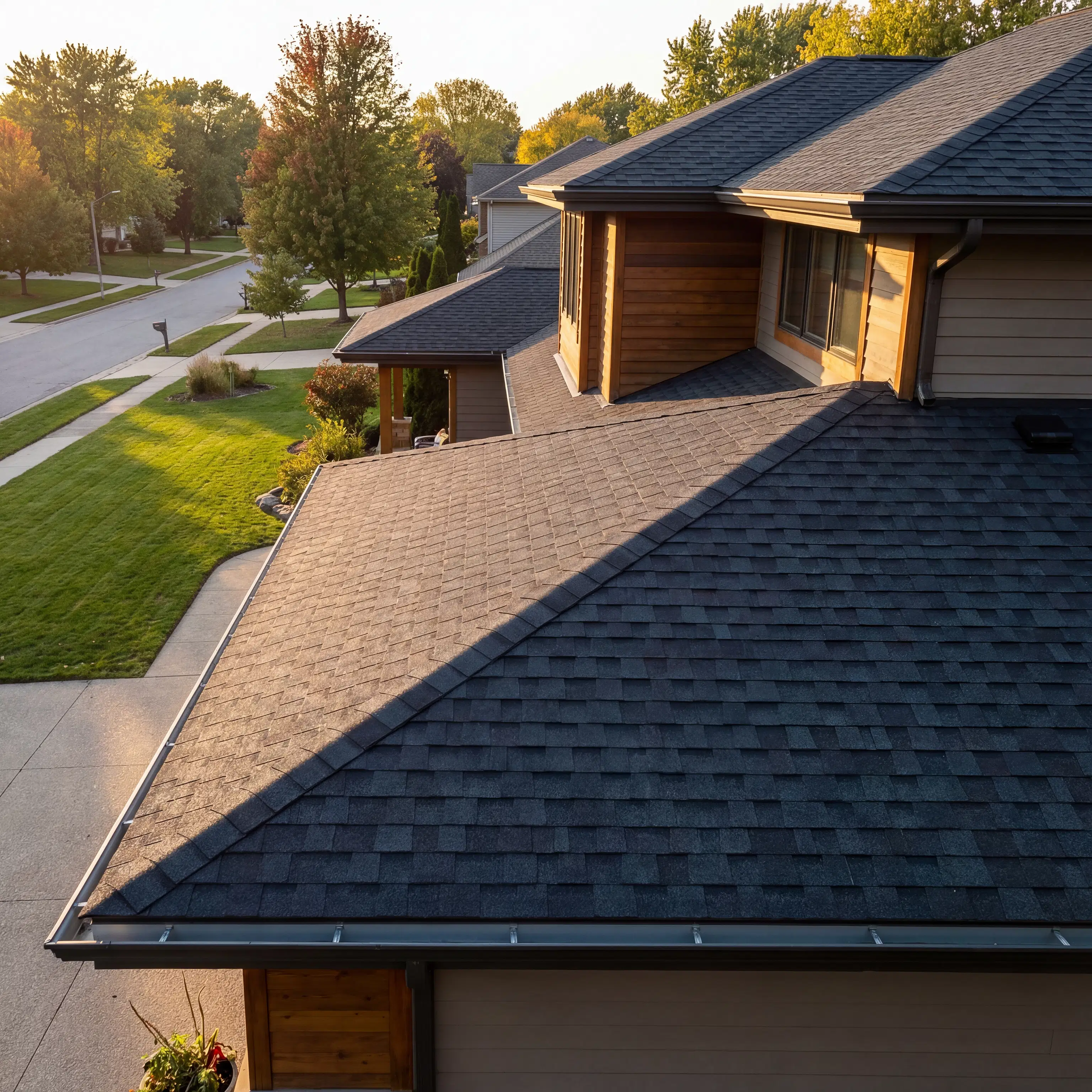
The most heavily regulated aspect of your project will almost certainly be the visual appearance of the materials. Matching shingle colors for neighborhood guidelines is critical. Most HOAs maintain a pre-approved list of acceptable colors, usually leaning toward neutral earth tones like weathered wood, slate gray, or bark brown. If you want to deviate from the exact color you currently have, you will need to submit physical samples or manufacturer brochures to your architectural review committee.
Beyond color, the type of material is also strictly governed. While standard 3-tab asphalt shingles were common decades ago, many modern HOAs now require dimensional or architectural shingles because they offer a thicker, more textured appearance that enhances curb appeal. Some premium communities may even specify minimum warranty lengths or specific manufacturer lines to ensure long-term neighborhood value.
How to Get HOA Approval for New Shingles
The secret to a stress-free HOA approval process is thorough documentation and proactive communication. Never sign a contract or allow a crew to begin tearing off your old roof before you have written approval from your HOA board. Doing so can result in hefty fines or, in extreme cases, a legal mandate to remove the brand-new materials at your own expense.
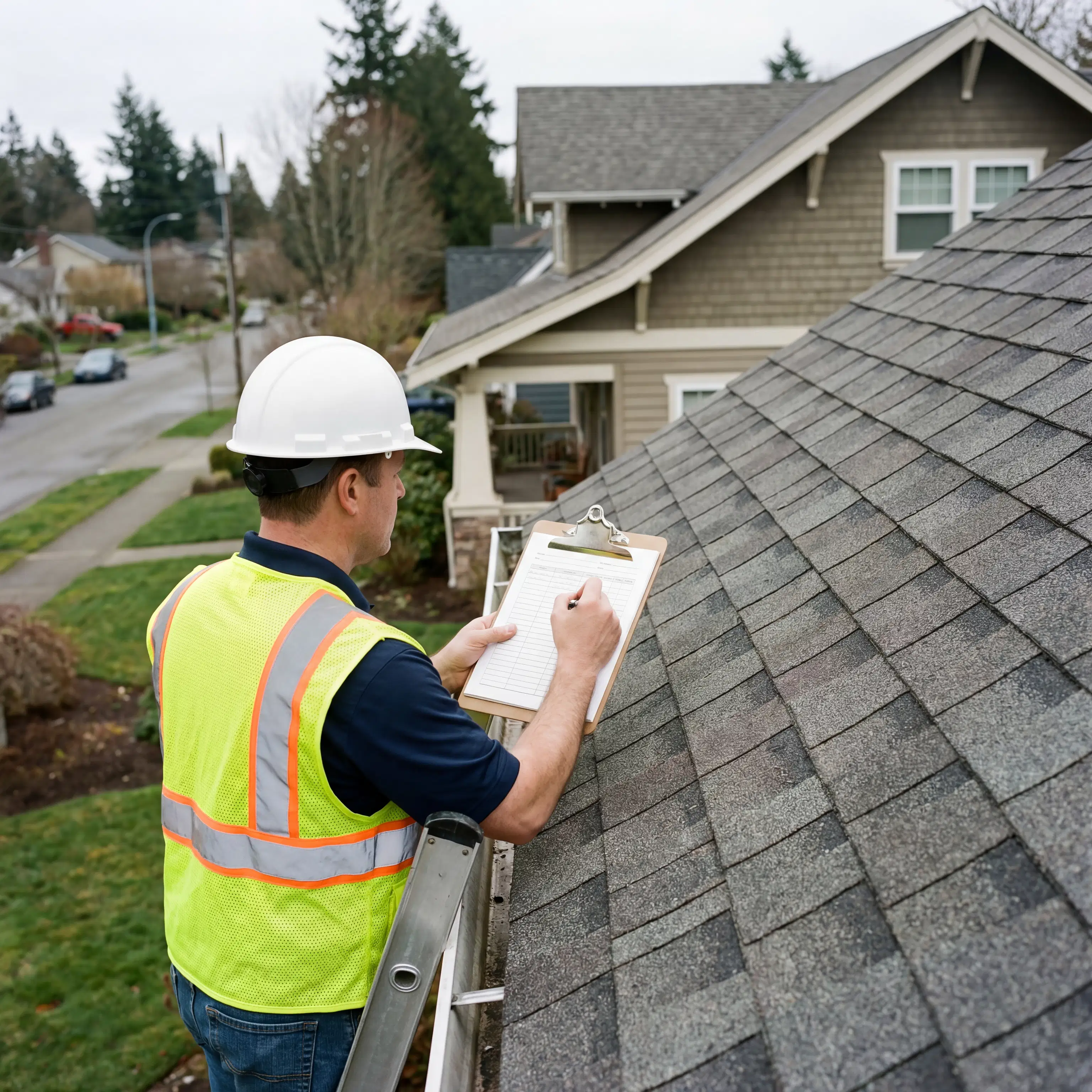
The first step is to request a comprehensive roof inspection from a qualified local professional. Instead of just a quick glance from the ground, modern inspections utilize technology to give you a clear picture of your roof's health. We provide video-recorded inspections that cover your attic ventilation, ground-level damage, and the complete health of your shingles and flashings. This detailed documentation is incredibly helpful if you are trying to expedite an HOA request due to severe storm damage.
Once you have your inspection results and have selected your materials, you will need to submit an architectural modification request form to your HOA management company. This packet typically requires your contractor's estimate, proof of their licensing and insurance, and details about the specific materials being used. Working with an established local company makes this step much easier, as they are accustomed to providing exactly what Fort Bend property managers need to see to stamp your approval quickly.
Choosing Materials That Satisfy the Board and Protect Your Home
While keeping the HOA happy is important, your primary goal is protecting your family and your investment from extreme Texas heat and severe weather. Fortunately, the materials that offer the best protection are often the exact same ones that HOAs prefer for their aesthetic appeal.
For a durable and beautiful roof installation, we highly recommend GAF UHDZ shingles. These premium architectural shingles are a favorite among architectural review committees because of their ultra-dimensional wood-shake look. More importantly for you as a homeowner, they come with a Class 4 impact rating to protect against hail, an infinite wind speed warranty to guard against hurricane-force winds, and a 30-year algae resistance warranty. That algae resistance is particularly valuable in our humid climate, as it prevents those ugly black streaks that often trigger HOA violation letters in the first place.
Minimizing Disruption During Your Project
Another major concern for homeowners in tight-knit communities is the disruption a major construction project might cause to their neighbors. No one wants to be the house on the block with a messy yard, loud music, and debris blowing into adjacent properties for weeks on end.
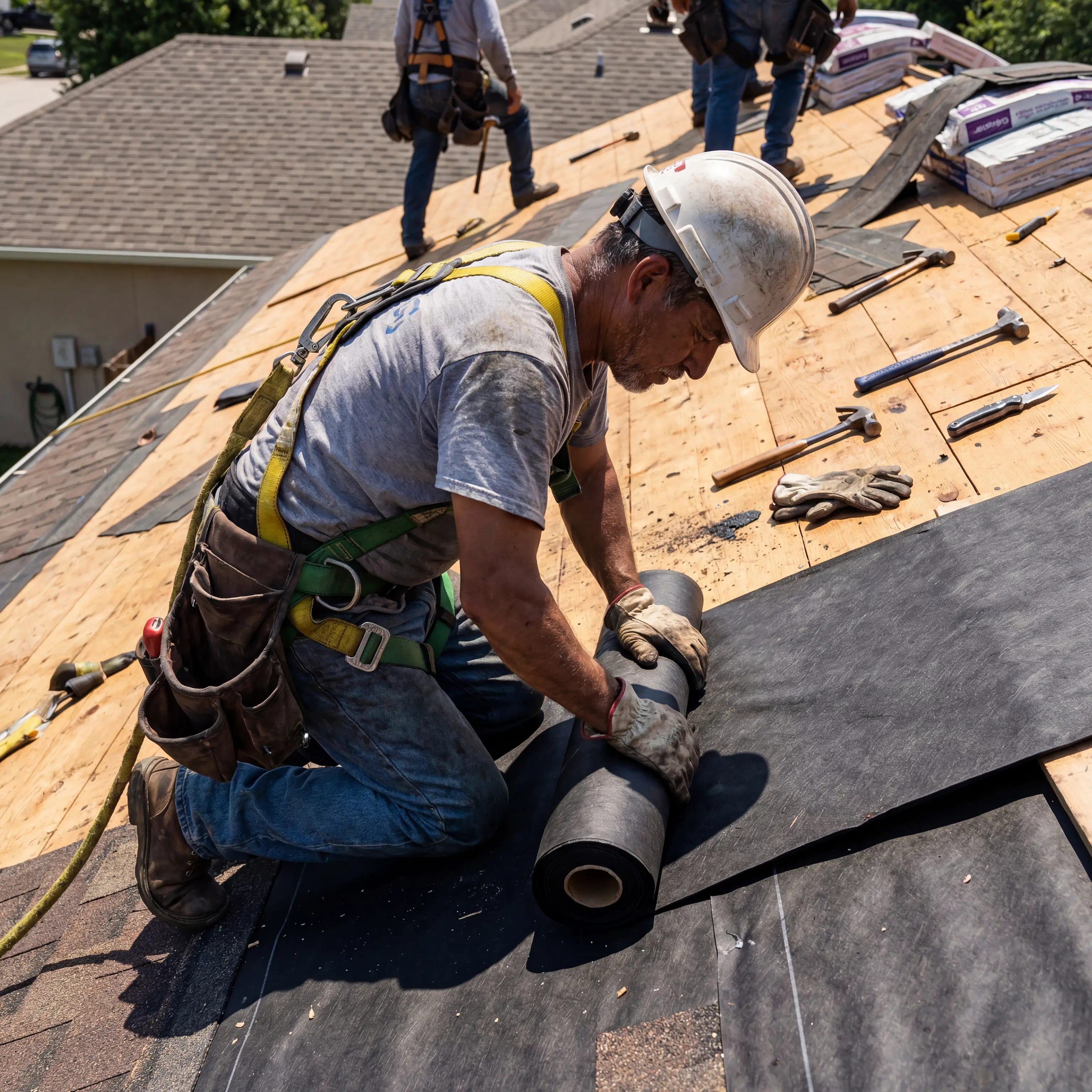
A professional roof replacement should be an efficient, highly orchestrated process. We understand that respecting your neighbors is just as important as protecting your property. That is why our crews, who have worked together for over eight years, complete a typical residential replacement in just one day. Before we even begin the tear-off process, we introduce ourselves to your immediate neighbors and set up extensive property protection, including tarps and decking to catch debris. Once the new system is installed, we perform a thorough cleanup, including a magnetic nail sweep, ensuring your property and your neighbors' properties are left spotless.
Partner with a Local Expert for a Seamless Experience
Replacing your roof in a deed-restricted community does not have to be a headache. By understanding your neighborhood's specific guidelines, choosing high-quality materials that offer both beauty and resilience, and submitting a complete architectural review packet, you can navigate the process with confidence.
At Creekview Roofing, our people-first approach means we are here to support you through every step of the journey, from the initial video inspection to helping you gather the necessary documentation for your HOA board. If you are ready to upgrade your home's protection and curb appeal, contact us today to schedule your free inspection and let our Richmond team take the stress out of your next exterior project.